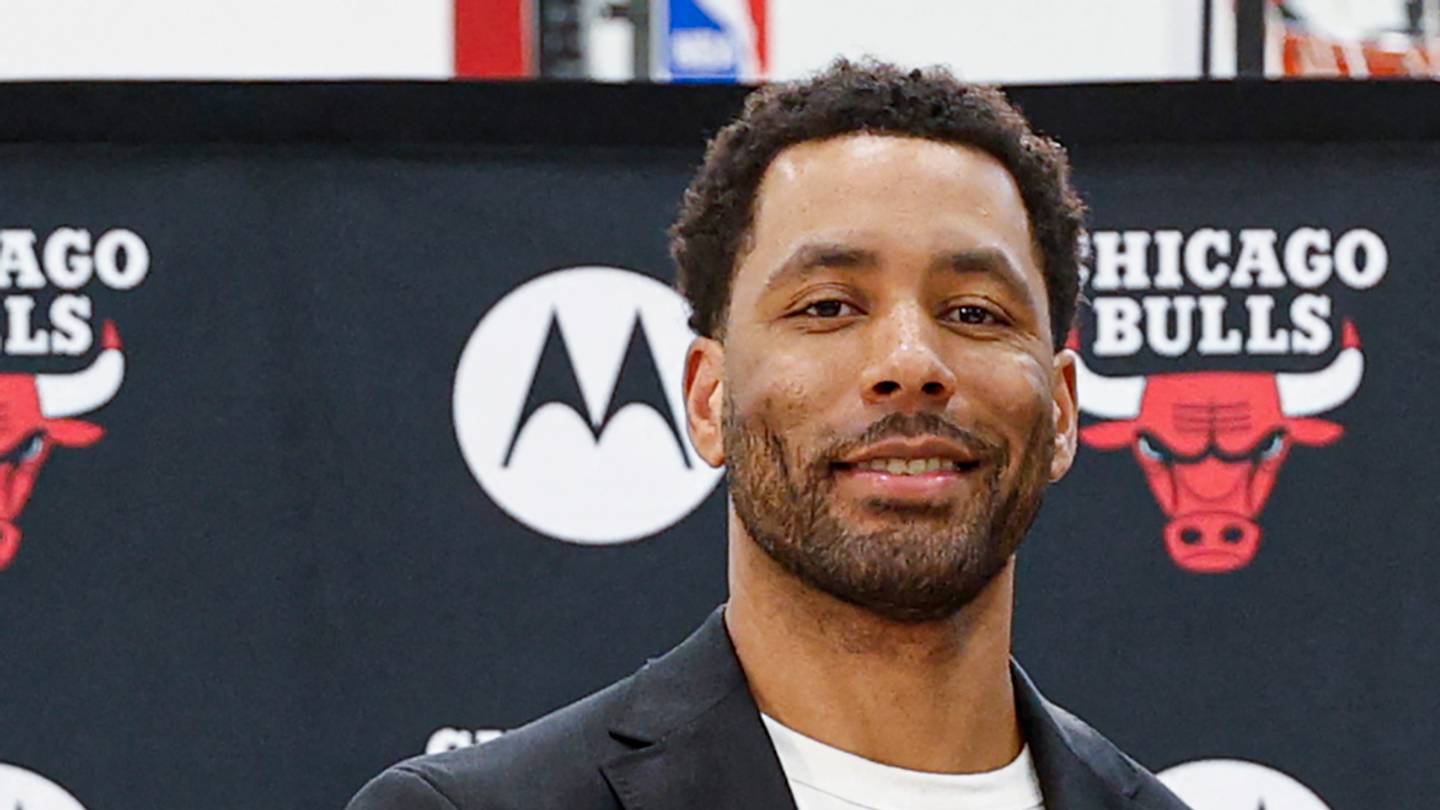
The Chicago Bulls, needless to say, hired Bryson Graham with one task in mind—lead the team through these early stages of the rebuild and put them on a path toward competitiveness.
The old regime made a number of moves at last year's trade deadline that yielded a confusing mix of assets. Graham's job over the next year or so will be to pare down that talent, incorporating a clear vision and a defined mix of skill sets across the whole of the roster.
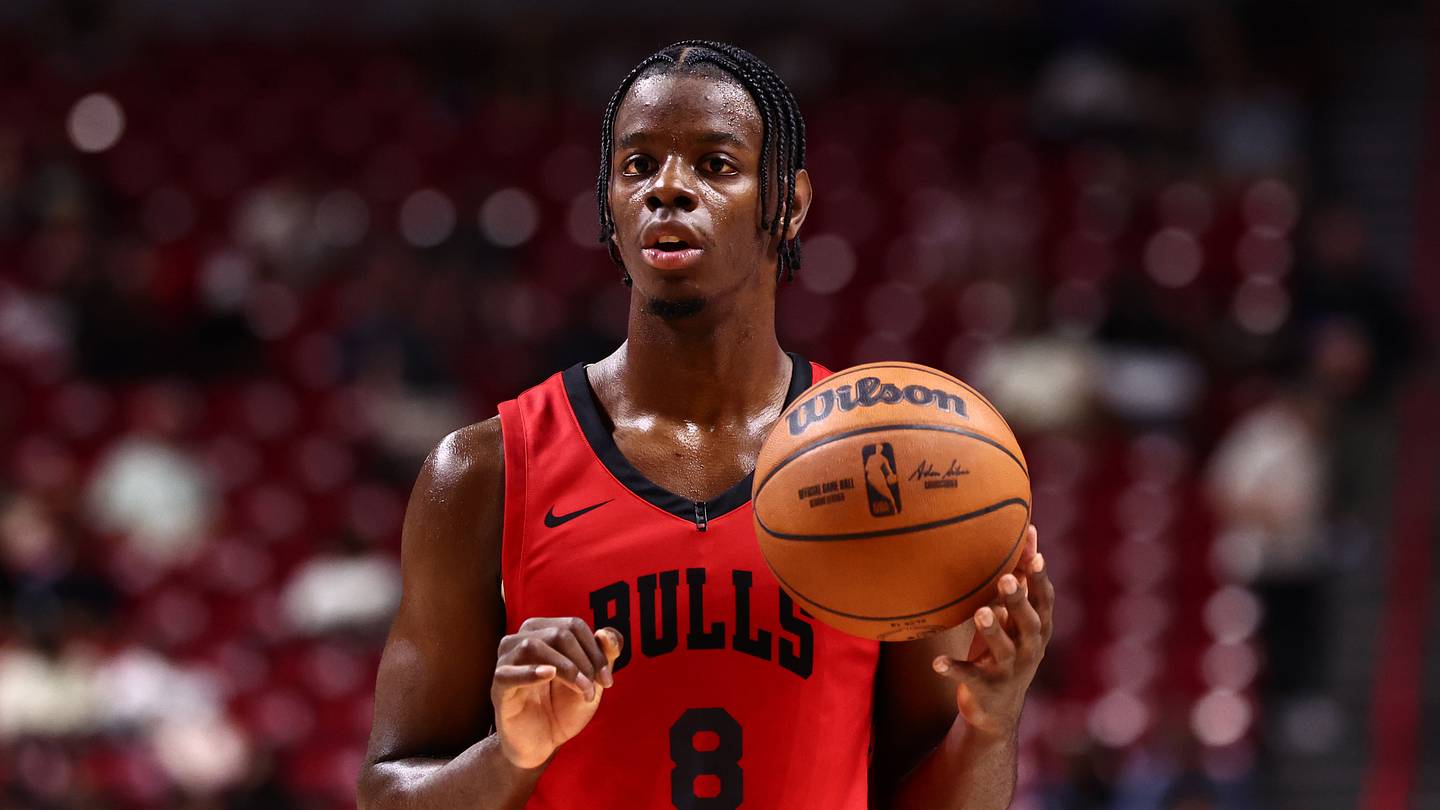
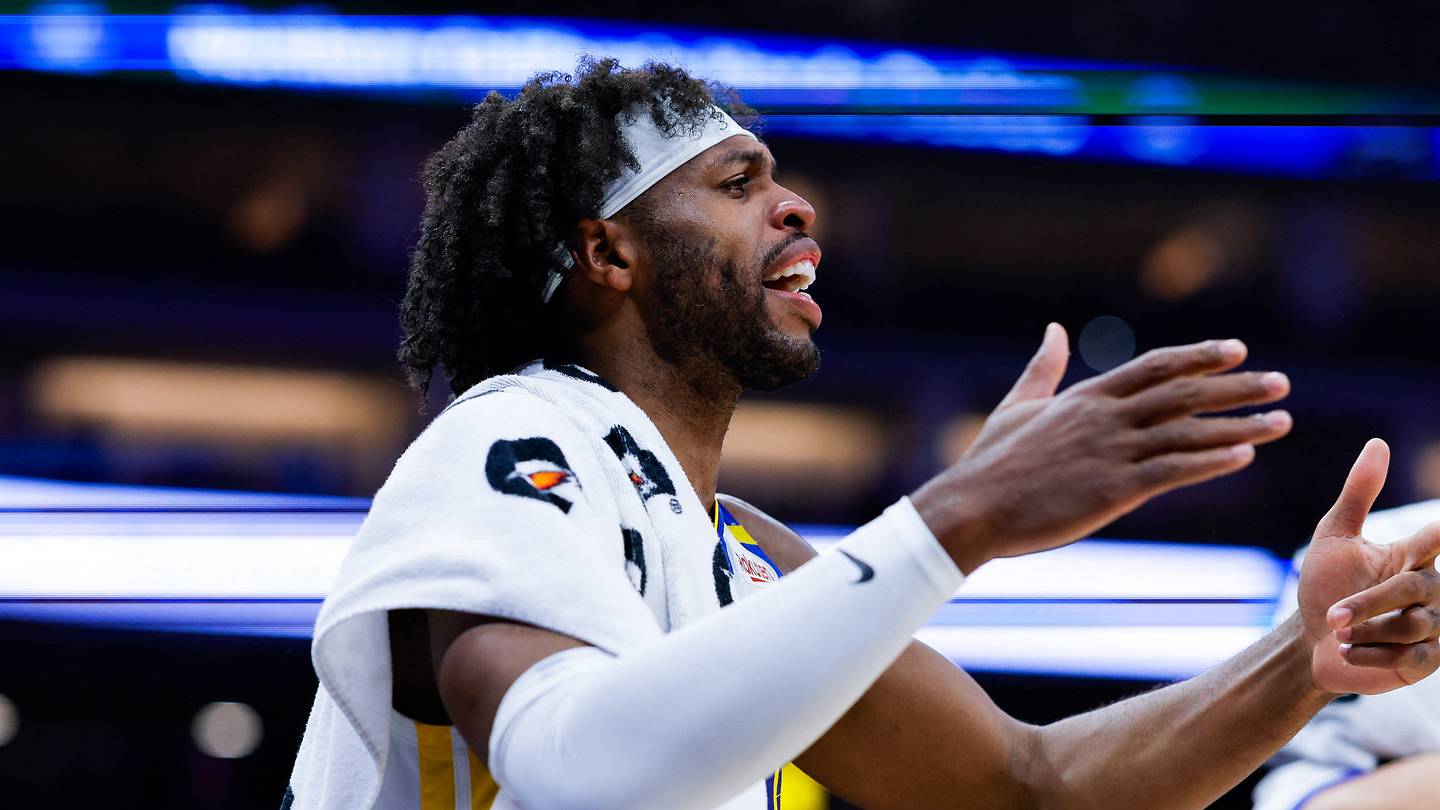
He at least got started in that mission over the weekend, shipping off Rob Dillingham to the Charlotte Hornets in exchange for Buddy Hield and an unspecified amount of cash assets. There's certainly room to doubt the ultimate outcome of this trade, especially since Hield essentially became unplayable over the course of last season as his perimeter shooting dropped off a cliff.
But whether you agree with the move or not, Graham is clearly prioritizing flexibility here. Chicago would've needed to make a decision on Dillingham's team option for 2027-28 by Oct. 31, and by swapping his contract for Hield's, the Bulls have netted themselves a movable asset before committing any further to Dillingham's development.
Bryson Graham has consistently prioritized flexibility since he took over in Chicago
Obviously, Chicago's ability to move Hield will depend on his ability to resurrect his offensive play over the course of this season. He should have a path to a full complement of minutes behind Norman Powell at the shooting guard position, and when Hield is hitting his perimeter shots, he's at least a rotational NBA player.
Sacrificing any of Dillingham's upside at the point guard position may seem like a high price to pay for that, especially considering the fact that Chicago just moved Ayo Dosunmu to bring Dillingham onto the roster a few months ago. But it's safe to assume that Graham didn't see a future for Dillingham—a small guard without much perimeter-shooting upside—on this athleticism and defense-forward roster.
Hield, meanwhile, is just a season removed from a relatively strong campaign with the Golden State Warriors, in which he averaged 11.1 points and shot 37% from the field across 82 games. He has a player option for roughly $10 million next offseason that should make him a relatively easy asset to move at some point this season— at least in a salary-dump sort of deal. If Chicago had picked up Dillingham's team option for 2027-28, they would've been paying him nearly $9 million for the final season of his rookie contract.
If you look at the grand scheme of the offseason, this isn't an isolated move. Graham constructed Powell's deal with a team option next offseason to make him an immanently tradeable asset, and he did the same with Zach Collins. Chicago will also be able to move on from Tre Jones, Isaac Okoro, Jalen Smith, and Leonard Miller next offseason if they choose to do so. The move for Hield is simply the first that sacrifices theoretical future upside for short-term flexibility.
There are obviously some upside swings on this roster that Graham will take the season to evaluate. But right now, he's prioritizing a reset of this roster in the near future, opening up pathways for the team to reconstruct its young core around their long-term contributors. Don't be surprised then, if this isn't the last deal we see Graham make this season with this intention in mind.